2026 PMTA Conference Sessions
Click the plus button to open and close the sessions and read more
Friday, June 12, 2026
11 a.m. Registration Begins
12 p.m. – 12:50 p.m. – Opening Meet and Greet Luncheon
1 p.m. – 1:50 p.m.
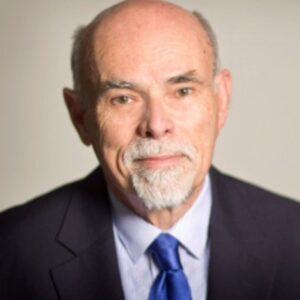
Luis Hernandez: Under the Lid: How Piano Mechanics Shape Artistry, Technique, and Teaching -Johnson Rehearsal Hall
This session helps piano teachers understand tuning, regulation, and basic repair concepts to demystify recurring piano problems. Learn what’s normal, what needs attention, how mechanics affect tone and technique, and how to communicate more confidently with technicians and parents.
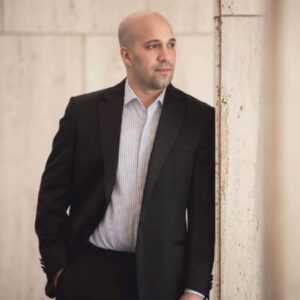
Lucy Mauro: Mieczylaw Munz: A Pianist's Story - Room G-26
Mieczyslaw Munz (1900-1976) was one of the most acclaimed concert pianists and teachers of the twentieth century. His life, however, was filled with tragic turns intertwined with some of the most famous people and events of the twentieth century. This session explores his life and legacy and ultimate triumph over tragedy.
2 p.m.-3 p.m.
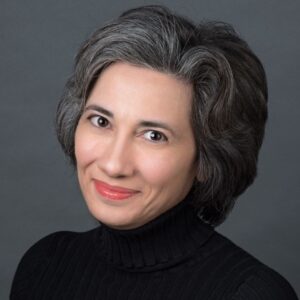
Kính Vũ (FEATURED SESSION) - Johnson Rehearsal Hall
Clinic: Kính T. Vũ
Living Again: Music Education as a Pathway Toward Connection and Freedom
How are we musicians fully aware of our responsibilities to self and others? Frankl’s (1959) emphatic advice to “live as if [we] were living already for a second time” (p. 111) is a call to re-member ourselves, to connect deeply with others, and strive for freedom as music leaders.
3:15 p.m. – 5:15 p.m. Performance Class with Brian Ganz – Reichgut Concert Hal
5:15 p.m. – 6:00 p.m. Collegiate Student Recital
Dinner on Your Own
7:30 p.m. Seton Hill Faculty Concert, including the performance of the commissioned composer work – Reichgut Concert Hall
Reception sponsored by Fort Pitt Piano, lobby
All-day Snacks Saturday are sponsored by the Westmoreland Chapter
Saturday, June 13, 2026
8:30 a.m. – 9:20 a.m.
Caleb Rebarchak: The Cowboy Horse in Film Music from the Silent Era Through the Present - Room G26
This session will explore the musical topic of the “Cowboy Horse”—an evolution of Monelle’s “Noble Horse”—and its usage in film music from Westerns. Music from the silent film era through today will be covered, with specific case studies coming from Ennio Morricone and Ludwig Göransson.
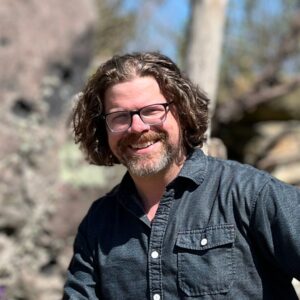
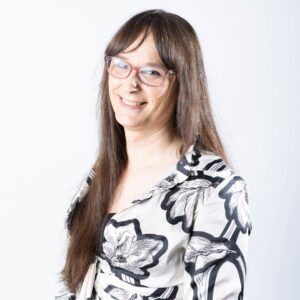
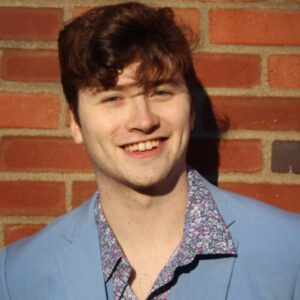
Sarah Gen Burghart Rice and Cole Denton: Sex, Gender, Sexuality, Creativity, and Our Voices - Johnson Rehearsal Hall
Transgender and gender-expansive vocalists experience voice as deeply tied to sex, gender, and social perception. This project explores new collaborative methods in classical music that support bodily autonomy and community. Countertenor Cole Denton’s art song collection, including works by Sasha Guerra and Burghart Rice, highlights LGBTQIA+ experiences and develops new performance practices.
9:30 a.m. – 10:20 a.m.
Eunhae Grace Yun: The Art of Striving: Reclaiming Meaning and Connection Through a Digital Assistant - Room G26
How do we find meaning in the AI era? This session frames technology as a “digital assistant” for professional resilience. Learn how simple tools automate routine tasks, allowing educators to reclaim time for artistic connection and the human spirit—preserving the teacher-student encounter in challenging times.
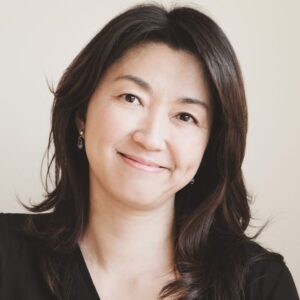
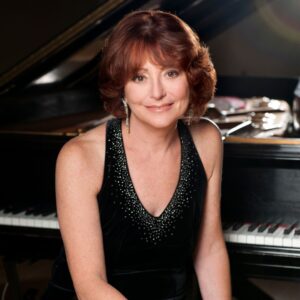
Nanette Kaplan Solomon, pianist: Resilience: Piano Music Against the Odds - Carol Ann Reichgut Concert Hall
This lecture-recital showcases works by twentieth and twenty-first century composers who used their creative voices to transform political or personal adversity into profound statements of resilience and hope. The presenter will perform works by Dmitri Shostakovich, Viktor Ullmann, Arvo Pärt, Ludovico Einaudi, Florence Price, and Frederic Rzewski.
10:30 a.m. – 11:20 a.m.
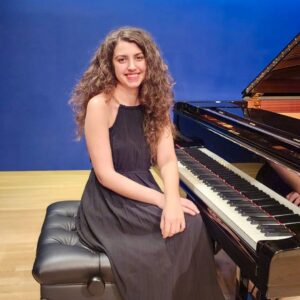
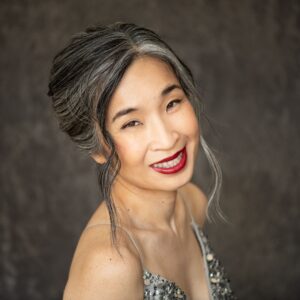
Jonida Lazellari, pianist and Tomoko Nago, mezzo-soprano: Meaning and Resilience in Nakada's Songs for Children - Carol Ann Reichgut Concert Hall
This lecture-recital explores Six Songs for Children (1947) by Japanese composer Yoshinao Nakada, written as Japan recovered from World War II. Setting poems by six authors, the cycle draws on Japanese poetic traditions and seasonal imagery. Through analysis and performance excerpts, the session offers interpretive and pedagogical approaches to teaching meaningful art song repertoire.
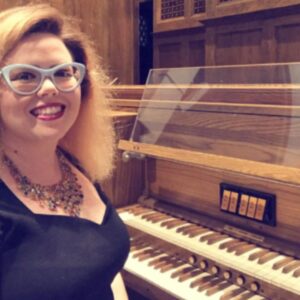
Josie Merlino: Neurodivergence, anxiety, and trauma in applied lessons - Room G26
Drawing upon themes in Viktor Frankl’s Man’s Search for Meaning and Richard Bach’s Jonathan Livingston Seagull, this clinic explores how instructors can guide students while supporting neurodivergence, anxiety, or trauma. Participants will learn practical accommodations, creative workarounds, and compassionate strategies to meet students where they are and help them succeed with sensitivity and purpose.
11:45 a.m. – 2:00 p.m. Luncheon and Keynote Address by Kính Vũ – Johnson Rehearsal Hall
(includes short presentations by Fellowship mentees [max 10 minutes each].
Keynote Address: Kính T. Vũ
I am Here! And I Will Not Stop Singing!
Everyone’s “will to meaning” (Frankl, 1959) is different, and everyone’s commitment to a life of arts-making is critically important. In this year’s keynote address, Dr. Kính T. Vũ will address why he thinks musician-educators could be key agents of connection, hope, and freedom in fraught times.
2:15 p.m.- 3:05 p.m.
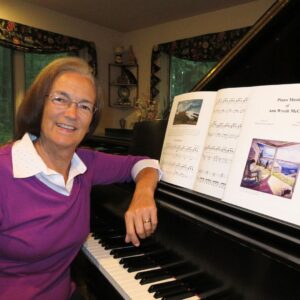
Donna Beech: Piano Study as a Bridge to Health, Hope, and Meaning - Ridge Performance Studio
This session illustrates ways that playing the piano can provide a bridge to hope, meaning, and emotional and psychological health. Donna Beech focuses on her experiences with fifteen adult students, ranging in age from fifty to eighty-five, and concludes with 15-year-old piano student Eric who has cerebral palsy.
3:15 p.m.- 3:40 p.m.
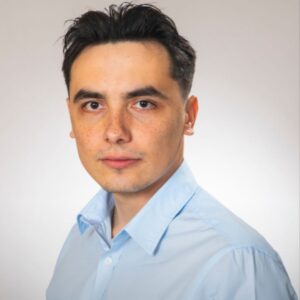
Ivan Yumagulov: A Polyphonic Bridge between Russia and the West [lecture recital] - Carol Ann Reichgut Concert Hall
The 25-minute session focuses on the effect of the polyphony between two distinct musical cultures, Russia and West. The session will include a closing performance of Prelude and Fugue in G-Sharp Minor, Op. 29 by Sergei Taneyev, reflecting Russia’s historical analysis and absorption of Western traditions in Classical and Baroque periods of polyphonic writing.
3:50 p.m.- 4:15 p.m.
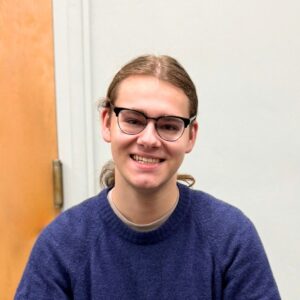
Braeden Simon: Piano Teaching Repertoire by Sergei Bortkiewicz [lecture recital] - Carol Ann Reichgut Concert Hall
A lecture-recital which showcases 3 separate pieces of varying difficulty by Ukrainian composer Sergei Bortkiewicz, an underrepresented, poorly known composer and performer. The presentation begins with a brief overview of Bortkiewicz and then features a pattern of performance followed by basic pedagogical analysis of the pieces in order of difficulty.
4:30 p.m.- 5:20 p.m.
Independent Music Teachers Forum - Ridge Performance Studio
- Teaching sight reading for students who memorize quickly or learn repertoire above their reading level
- Scheduling and recordkeeping for group lessons
- Piano duet and ensemble repertoire
4:40 p.m.- 5:20 p.m.
Faculty Forum – Johnson Rehearsal Hall
5:35 p.m.- 6:25 p.m.
Local Associations Meeting – Ridge Performance Studio
Dinner on your own
8:00 p.m. – Brian Ganz Recital – Carol Ann Reichgut Concert Hall
Brian Ganz Recital Program
An Evening of Beethoven and Chopin
Polonaise in A major, Op. 40, No. 1 Fryderyk Chopin (1810-1849)
Sonata in E-flat major, Op. 31, No. 3 Ludwig van Beethoven (1770-1827)
Allegro
Scherzo: Allegretto vivace
Menuetto: Moderato e grazioso
Presto con fuoco
Ballade No. 1 in G minor, Op. 23 Fryderyk Chopin
INTERMISSION
Sonata quasi una Fantasia, Op. 27, No. 2 (“Moonlight”) Ludwig van Beethoven
Adagio sostenuto
Allegretto
Presto agitato
Barcarolle, Op. 60 Fryderyk Chopin
Berceuse, Op. 57 Fryderyk Chopin
Polonaise in A-flat major, Op. 53 (“Heroic”) Fryderyk Chopin
Sunday, June 14, 2026
9:00 a.m.- 9:50 a.m.
Amy Simpson: What’s dopamine got to do with it? Optimizing practice with anticipation, focus, and imagination - Ridge Performance Studio
The Optimal Theory of Motor Learning explains that enhanced expectations, autonomy, external focus of attention optimize learning and performance. Hear how dopamine supports music practice and explore excellent focus cues for different players, situations, and learning styles. Discover how to use imagination and motivation to make your practice optimal.
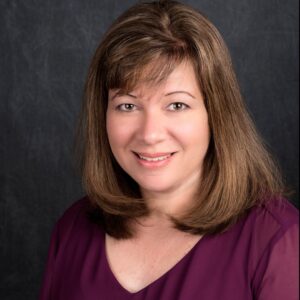
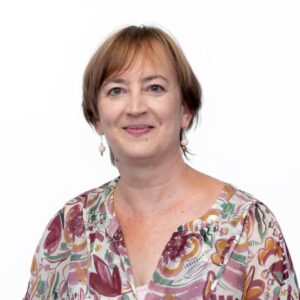
Kathryn Woodard: Reaching New Heights While Playing or Singing: Addressing Artistic Limitations Through Basic Applied Anatomy - Johnson Rehearsal Hall
This workshop will introduce participants to specific strategies for working with students to heighten body awareness, increase stature and enhance expression at their instrument. The presenter will guide participants through steps that will help students find their full height and experience more ease in their playing.
10:00 a.m.- 10:50 a.m.
Seulki Susie Yoo: Left-Hand Piano Repertoire and Neuroplasticity - Room G26
Right-hand injuries have historically outnumbered left-hand injuries, yet pianists uniquely sustained careers through left-hand repertoire. This presentation examines left-hand repertoire and pedagogy, then explores neuroscientific evidence on interlimb transfer, showing how focused left-hand and bimanual practice improves coordination, independence, and performance, suggesting more effective practice strategies for piano education today.
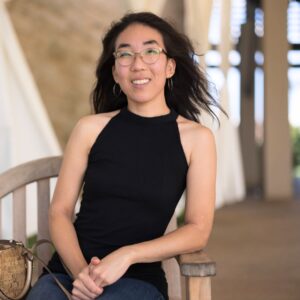
Louie Hehman: Aaron Copland at 125: Rediscovering His Piano Works for Teaching and Performance - Johnson Rehearsal Hall
Aaron Copland continues to exude a major influence; however, his piano works are undervalued as pedagogical and concert material. In honor of Copland’s 125th birthday, this presentation will explore his piano works within both contexts.
11:00 a.m.- 11:50 a.m.
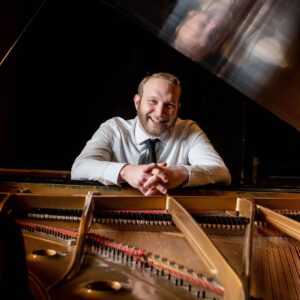
Steven Smith: Artistry and the Piano’s Damper Pedal - Carol Ann Reichgut Concert Hall
Artistry should be the goal of every pianist: color, shading, dramatic effect, and “singing line.” The piano’s damper pedal is one of our most useful artistic tools. This presentation will offer ideas and techniques for artistic pedal use, applied to piano music especially of Mozart, Chopin, and Debussy.